Which hydraulic seal profiles does Tutor Seal offer?
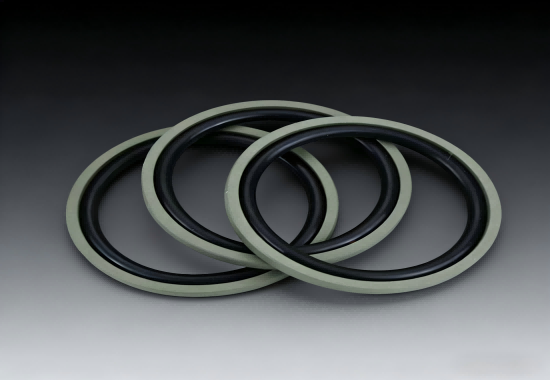
The range includes V-ring combination seal sets, U-cup seals, Glyd rings and step seals, Y-ring seals, and dust seals or wipers. These profiles perform different jobs in a sealing system: retaining fluid, sealing a moving rod or piston, and keeping external contamination out.
Start with the equipment design and operating conditions rather than choosing a seal by appearance alone. A rod seal, piston seal and wiper are not interchangeable just because their dimensions look similar.
Compare the profiles
- V-ring combination seal sets
- Stacked chevron sets for heavy-duty reciprocating rods and pistons.
- U-cup seals
- U-profile lip seals for rod and piston applications.
- Glyd rings and step seals
- PTFE-based, energised profiles for hydraulic sealing applications.
- Y-ring seals
- Compact, single-acting lip profiles for rods and pistons.
- Dust seals and wipers
- Excluder profiles that help keep dirt and moisture out of the cylinder.
What should a hydraulic seal enquiry include?
Send the rod or bore diameter, groove dimensions, seal cross-section or drawing, quantity, and whether the seal is for a rod, piston or wiper position. Include fluid type, operating temperature, pressure range, movement and speed. If you are replacing a failed seal, describe the leakage or wear and include photographs of the old part and its installation.
For international enquiries, include your destination country and required delivery date so the quotation can address your requirements.
Can a worn seal be identified from a photograph?
A photograph can help explain the profile, but it does not establish its exact dimensions, material or operating limits. Send measurements or a drawing alongside photographs. Ask for the proposed profile and compound to be confirmed against the application before ordering.